
Species-only is the safest default
Axolotl Tankmates: What Can Safely Live Together?
I am going to get straight to the point: an axolotl does not need a fish, snail, shrimp, or another axolotl for company. A calm species-only aquarium is usually the safest and simplest choice.
An axolotl does not need a friend
It is easy to look at a quiet aquarium and imagine the animal must be lonely. Axolotls can be kept singly, and adding another animal creates competition, injury, disease, water-quality, and accidental-ingestion risks that a solo axolotl does not face.
My honest recommendation
Build the tank around the axolotl, not around filling empty space
Truth be told, most of the tankmate ideas people suggest are not really companions. Small animals may become food. Larger animals may compete, nip delicate gills, damage the slime coat, or bring pathogens into the aquarium. Every additional animal also adds waste to a system that already needs excellent water quality.
If you want the aquarium to feel fuller, I would use low-light plants, smooth hides, shaded areas, and a layout that gives the axolotl safe places to explore. That adds interest without asking two incompatible animals to share the same water.
The one reasonable exception
Can two adult axolotls live together?
Sometimes, yes. Veterinary and trade guidance both acknowledge that mature axolotls may share an adequately sized aquarium. That does not mean every pair will be compatible or that cohabitation is necessary. Juveniles are especially prone to cannibalism, and adults can still mistake a moving foot or gill for food.
I would only consider it when both animals are healthy adults of a similar size and the keeper can separate them immediately if the arrangement stops working.
Match size and maturity
Do not place a small juvenile with a much larger axolotl. Similar adult size lowers, but does not eliminate, predation and injury risk.
Know the sexes
Same-sex housing avoids repeated breeding. If sexes are uncertain, keep them apart until both can be identified confidently.
Add real floor space
Use a long, wide aquarium with enough usable bottom area, hides, and clear routes for every animal. More animals also require more water volume.
Increase filtration carefully
The filter and maintenance routine must handle the added waste without creating stressful current. Test the water more often during the transition.
Control feeding time
Feed in separate areas and watch the entire meal. Food movement can trigger accidental bites even between normally calm adults.
Prepare separate housing first
A divider or spare tub can help in an emergency, but a second cycled setup is the best long-term backup if the animals cannot live together.
Snack, not roommate
What about ghost shrimp and cherry shrimp?
Both are commonly suggested because they are small and peaceful. The problem is that an axolotl is a suction-feeding carnivore. A shrimp in the aquarium may be hunted and eaten, so it should never be sold to you as a lasting companion or a substitute for tank maintenance.
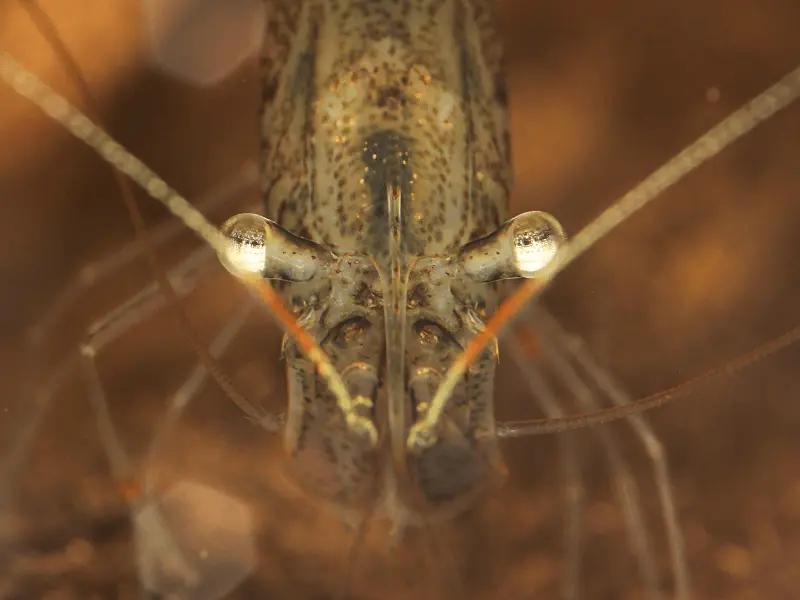
Ghost shrimp may be eaten
Their low price does not make them risk-free. Their source, health, and prior exposure still matter, and adding them increases the aquarium’s biological load.
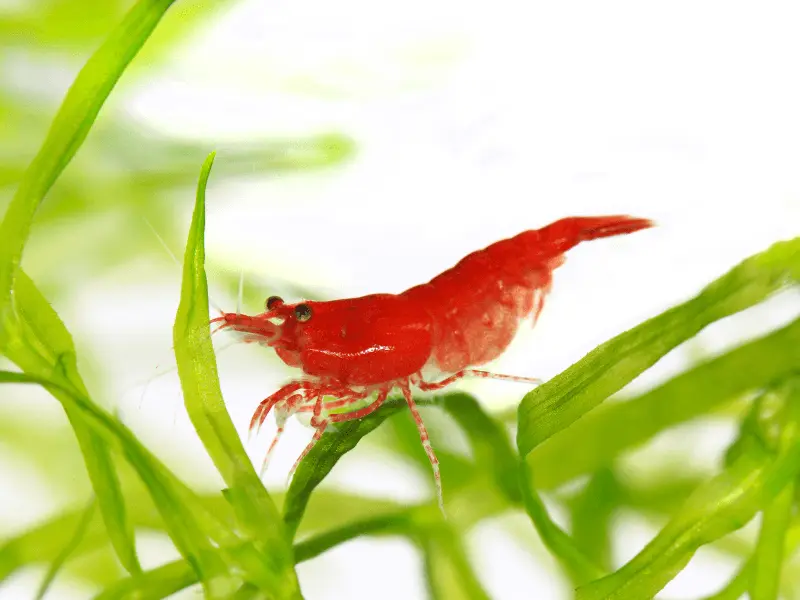
Cherry shrimp are not companions
Heavy planting may help some hide, but it does not change the basic predator-and-prey relationship. I would keep a shrimp colony in its own aquarium.
I do not count shrimp as a clean-up crew. They produce waste, need appropriate care, and cannot replace siphoning, water testing, filtration, or regular partial water changes.
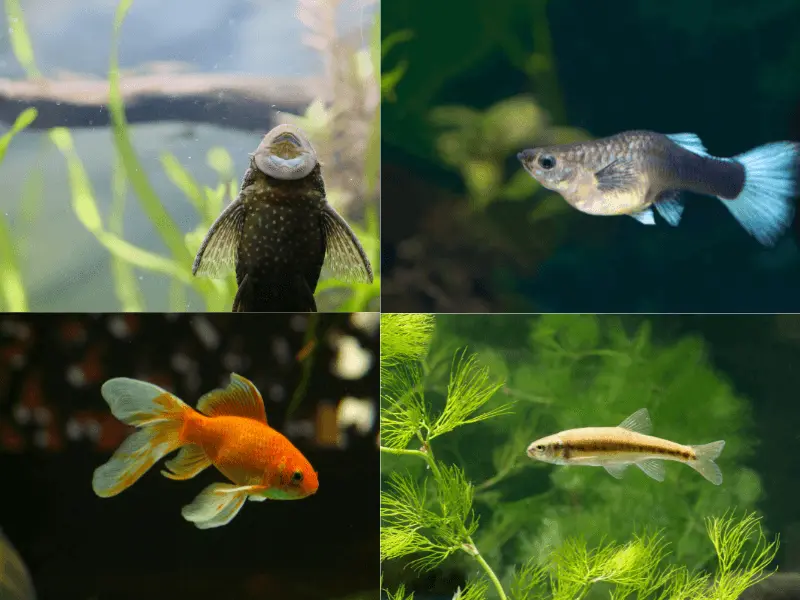
Cold water alone does not equal compatibility
Why I do not recommend fish tankmates
Small fish may be swallowed. Fish too large to eat may nip the axolotl’s exposed gills or damage its skin. Fish can also carry parasites and other pathogens, require different temperatures or diets, and make it harder to tell who is eating and producing waste.
White cloud minnows
They tolerate cooler water, but they are still potential prey and can create competition, disease, and gill-nipping concerns.
Guppies
They prefer warmer conditions than an axolotl should have and may become prey or investigate delicate gills.
Plecos
A sucker mouth does not make a fish a safe cleaner. Plecos can damage soft skin, and many species become too large or prefer warmer water.
Goldfish
Goldfish are messy, food-driven fish with substantial space needs. Cool-water tolerance does not cancel the risk to exposed gills or the added waste.
Hard shells and claws are not worth the gamble
Snails and other animals I would keep elsewhere
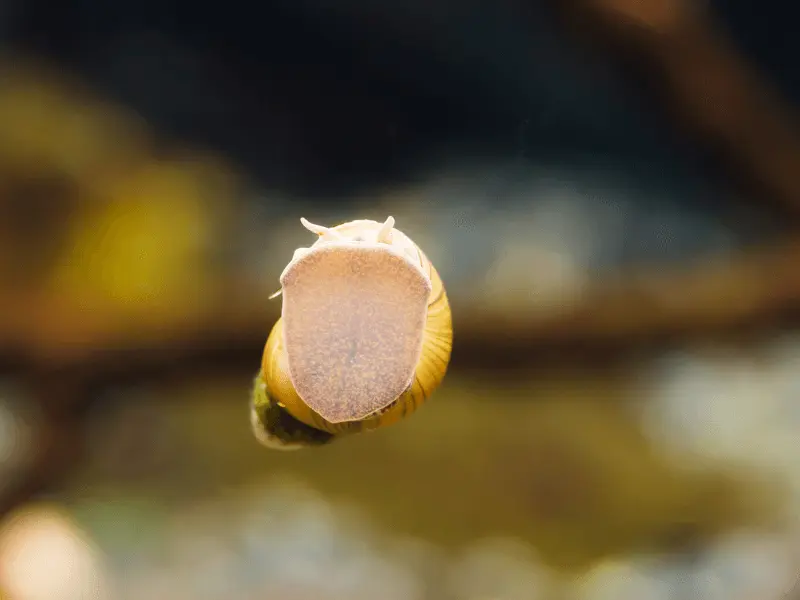
Small snails can fit into an axolotl’s mouth, and a swallowed shell can create an obstruction or injury risk. A larger snail is not automatically safe either, and no snail replaces routine cleaning.
Hard shell ingestion, trapping, and uncertain compatibility.
Claws and defensive behavior can injure gills, toes, and skin.
Different care needs, competition, predation, and amphibian disease risks.
Major differences in temperature, lighting, diet, size, and predatory behavior.
Plan the exit before the introduction
Before placing adult axolotls together
A new animal can look healthy and still carry an infectious organism. Merck’s general amphibian guidance describes six to eight weeks as a typical quarantine period, adjusted to the animal’s source and risk. Use a separate enclosure and separate tools, and speak with an aquatic or exotic veterinarian about testing when the animal’s history is uncertain.
- 1Quarantine completely
Do not share water, nets, siphons, hides, or other wet equipment during the quarantine period.
- 2Confirm health, size, and sex
Resolve appetite, skin, gill, buoyancy, and water-quality concerns before considering a shared aquarium.
- 3Prepare capacity and hides
Make sure the tank, biological filter, floor space, and cooling plan can support both adults.
- 4Supervise the introduction
Watch closely through feeding and active periods instead of assuming a quiet first hour means the pair is compatible.
- 5Separate at the first safety concern
Do not wait for a serious wound to prove the pairing failed.
If the animals already share a tank
You can correct the setup without panicking
Separate incompatible species
Move the axolotl or tankmate into appropriate prepared housing. Do not release aquarium animals outdoors.
Inspect the axolotl
Look at the gills, skin, limbs, cloaca, body condition, breathing, balance, and appetite.
Test the water
Check ammonia, nitrite, nitrate, temperature, and pH, then correct husbandry problems gradually.
Call a veterinarian when needed
Promptly seek an aquatic or exotic veterinarian for wounds, bleeding, swelling, fungal-looking growth, abnormal buoyancy, or continued appetite loss.
Common questions
Axolotl tankmate FAQ
Do axolotls get lonely by themselves?
Axolotls can be kept singly and do not need a companion animal to meet a social requirement. A well-maintained aquarium with hides, gentle lighting, open floor space, and a predictable care routine is appropriate for a solo axolotl.
Can two axolotls live in the same tank?
Compatible adults of a similar size may share a large, well-filtered aquarium with several hides and careful feeding. Avoid mixed sexes unless breeding is intentional, quarantine any newcomer, and keep separate housing ready.
Can an axolotl live with a betta?
No. Bettas prefer warmer water and can nip exposed gills, while the axolotl may attempt to swallow the fish. Their temperature, behavior, and safety needs do not align.
Are ghost shrimp safe with axolotls?
They are likely to be hunted and eaten, so they are not dependable companions or cleaners. A shrimp colony belongs in its own properly maintained aquarium.
Can snails clean an axolotl tank?
No animal removes the need for maintenance. Small snails can be swallowed, and shells can create obstruction or injury concerns. Use a siphon, filter, water tests, and partial water changes instead.
What is the safest thing to add for enrichment?
Add smooth hides, shaded areas, safe plants, and a layout with open walking space. Change the decor gently rather than adding an animal whose care conflicts with the axolotl’s needs.
Sources and further reading
- LafeberVet: Basic Information Sheet: Axolotl
- OATA: How to Look After Axolotls and Aquatic Frogs
- Merck Veterinary Manual: Environment and Husbandry for Amphibians
- Merck Veterinary Manual: Infectious Diseases of Amphibians
This independently written guide combines species-specific veterinary and aquatic-trade guidance with Pat’s aquarium experience. It cannot diagnose an animal or replace individual advice from an aquatic or exotic veterinarian.