
Most axolotls need cooling - not heat
Do Axolotls Need a Heater?
Learn what temperature to aim for, how to tell whether “room temperature” is really safe, and which cooling method makes sense for your home.
Temperature is only one part of the check
Warm water can add stress and holds less dissolved oxygen, but appetite or behavior changes can also come from ammonia, nitrite, injury, or illness. Record the temperature and complete water-test results instead of assuming heat is the only cause.
The short answer
Your axolotl probably does not need a heater
Axolotls are cool-water salamanders. In most heated homes, the bigger challenge is preventing the aquarium from becoming too warm during summer - not warming it during winter.
Skip the heater
If the aquarium remains steadily within an appropriate cool range, adding a heater creates risk without solving a problem.
Own two thermometers
Use a reliable aquarium thermometer and occasionally cross-check it with a second one. A cooling plan cannot work if the measurement is wrong.
Test the hottest week
Your normal spring temperature does not prove the tank will remain safe during a heat wave, air-conditioning failure, or sunny afternoon.
Do not use a heater “just in case.” Equipment can fail or be set incorrectly. Add heat only when repeated measurements show that the aquarium is genuinely too cold and you have a controlled reason to warm it.
A useful target
Aim for cool and stable - not the coldest number possible
The Ambystoma Genetic Stock Center keeps axolotls around 60–65°F (15–18°C), and veterinary guidance from LafeberVet gives a similar preferred range. That is a practical target for most home aquariums.
Different care references describe somewhat wider acceptable limits, but they consistently agree on the important part: sustained warm water is dangerous. The Stock Center advises that axolotls should not be kept above about 72°F (22°C).
Stability still matters. A gradual seasonal change within a safe range is different from repeatedly swinging the aquarium several degrees with emergency cooling.
Review the animal’s history and seek qualified guidance before adding heat.
About 15–18°C.
Start the reliable cooling plan before the tank approaches 72°F.
Cool gradually, test the water, and watch the animal closely.
“Room temperature” is not a number
Measure the aquarium at the warmest part of the day
Whether room temperature works depends entirely on your home. A basement in Wisconsin and an upstairs room during a southern summer can produce very different water temperatures. The tank may also lag behind the room, so a quick glance at the thermostat is not enough.
Measure the water
Place the probe where it stays submerged and away from a chiller return, fan splash, light, or window that could distort the reading.
Record morning and evening
Track the tank through several normal days and again during the warmest weather you expect.
Test equipment changes
Lighting, a pump, closed lid, nearby electronics, and a new room location can all change the aquarium’s temperature.
Set an action point
Know when the fan, air conditioner, or chiller should start so you are not improvising after the tank is already hot.
What I have actually used
My setup changed with the room and the season
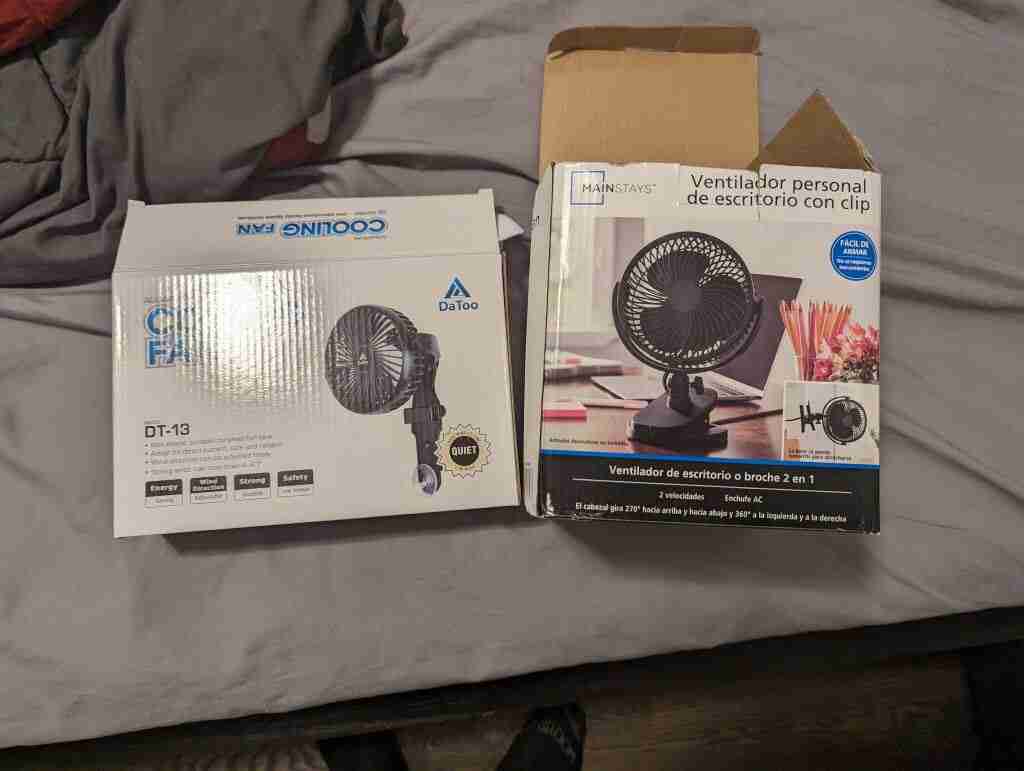
I have used both a small aquarium fan and a larger clip fan over my axolotl tank. When the room was only a little warmer than I wanted, the aquarium fan was quiet and easy. During the summer, I sometimes ran both fans because the stronger clip fan moved more air across the surface.
The tradeoff was evaporation. I had to watch the water level and top it off more often, while still doing normal water changes to remove nitrate and dissolved waste. Adding water back replaces evaporation; it does not replace maintenance.
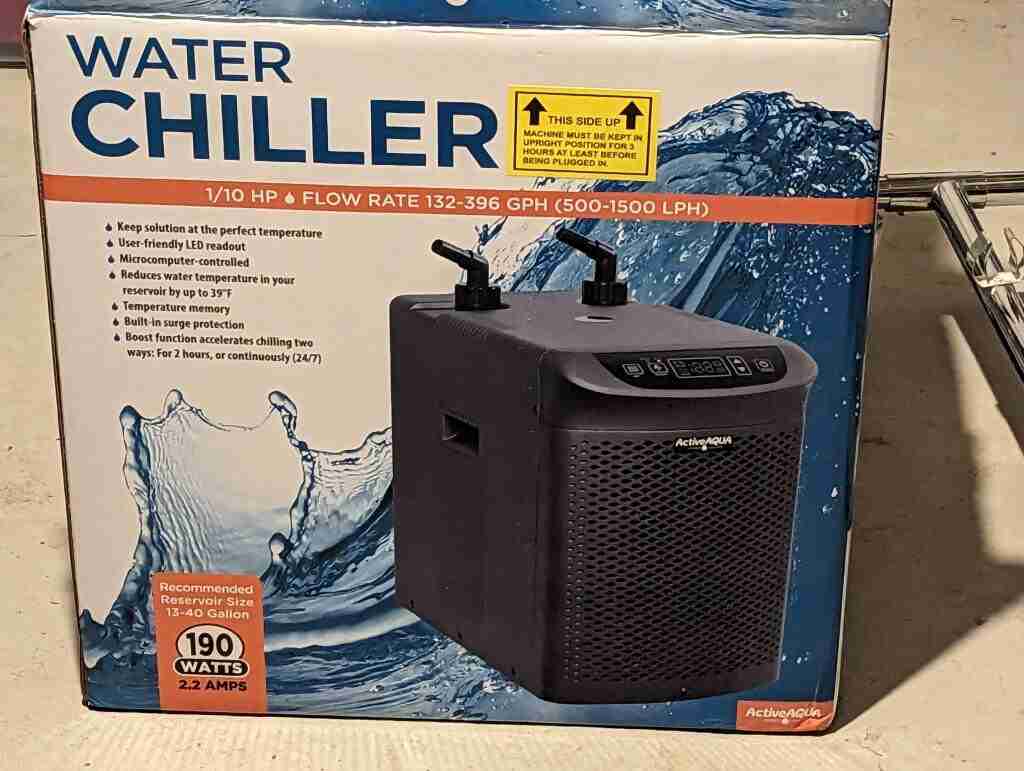
When I lived farther south, I used an aquarium chiller and it worked wonderfully for maintaining a consistent temperature. It cost more and made some noise, but it removed much of the daily guesswork during hot weather. That experience is why I do not think there is one cooling answer for every keeper - the room matters.
The unusual exception
A heater is only worth considering when the water is genuinely too cold
Some aquariums are kept in an unheated basement, garage, classroom, or other space where the water may remain below the range recommended for that individual animal. Confirm the reading with a second thermometer and discuss the target with the breeder or an aquatic or exotic veterinarian before adding heat.
If warming is justified, use equipment appropriate for the aquarium volume with a protective guard and independent temperature control. Increase the temperature gradually, keep the axolotl from resting against the heating element, and verify the result with a separate thermometer.
- Two thermometers confirm the aquarium is too cold.
- The target temperature comes from a qualified source.
- The heater cannot contact or burn the axolotl.
- A separate controller or safeguard limits overheating.
- The temperature will be raised slowly and monitored.
Plan before the forecast changes
Build a hot-weather response you can repeat
A written plan is much easier to follow than trying random fixes while you are worried about your axolotl.
- 1Confirm the reading
Cross-check the aquarium thermometer and record the water temperature, room temperature, time, and recent trend.
- 2Reduce the room heat
Close blinds, remove direct sun, turn off unnecessary tank lighting, and use air conditioning when available.
- 3Start controlled cooling
Run the established fan or chiller and make sure airflow, plumbing, pumps, and ventilation are working correctly.
- 4Test the water
Check ammonia and nitrite along with nitrate and pH. Warmth and poor water quality can occur together.
- 5Watch the trend - not one number
Recheck regularly and avoid forcing a sudden drop. If the tank cannot be stabilized, move to the backup plan and contact qualified help.
Prepare these before summer
Look at the animal and the aquarium
Warm water plus a behavior change deserves prompt attention
Possible stress signs can include unusual lethargy or agitation, reduced appetite, repeated surface trips, faster or labored gill movement, difficulty remaining balanced, or new skin and gill changes. None of these signs proves that temperature is the only cause.
Measure and record the temperature and water chemistry, correct unsafe conditions gradually, and contact an aquatic or exotic veterinarian when the animal is struggling, worsening, unable to remain upright, or not improving after the environment is stabilized.
Do not improvise medication or “fridging.” Treatment decisions should come from a qualified veterinarian who can consider the animal, water results, and complete history.
- Current and recent temperatures
- Ammonia, nitrite, nitrate, and pH
- Cooling equipment and recent changes
- Food offered and appetite
- Photos or a short natural-behavior video
- How long the change has continued
Sources and further reading
- Ambystoma Genetic Stock Center: Guide to Axolotl Husbandry
- LafeberVet: Basic Information Sheet - Axolotl
- LafeberVet: Care of the Axolotl
- OATA: How to Look After Axolotls and Aquatic Frogs
- Merck Veterinary Manual: Environment and Husbandry for Amphibians
This independently written guide combines published husbandry guidance with Pat’s direct experience maintaining axolotl aquariums in different climates.